
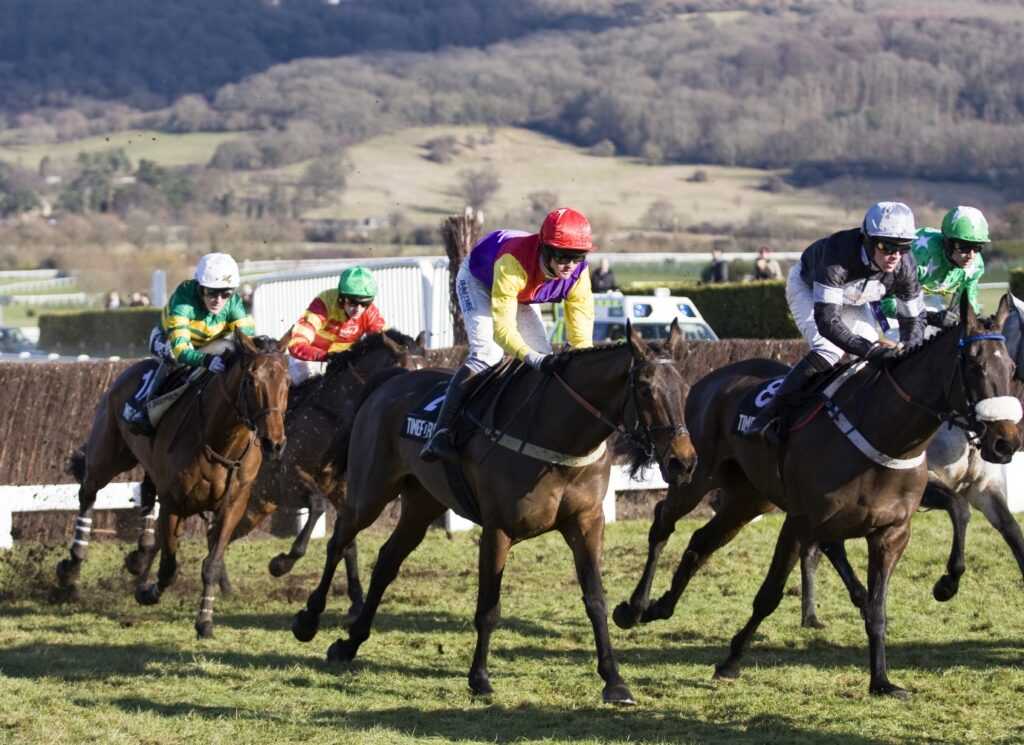
(Stock ID: 45588979)
Cheltenham is at the heart of the major spring festivals for a reason – few racecourses expose both horses and assumptions quite so ruthlessly. The atmosphere is bigger, the fields are deeper, and the margins for error are smaller. That’s why even seasoned punters approach the meeting with a mixture of excitement and caution.
Placing a bet on a horse isn’t about spotting one obvious angle and hoping for the best. The better approach? Understanding how different factors combine to shape a race, and why a horse might perform better on one day than another.
Form is more than just finishing position
A finishing position on its own doesn’t tell the full story. How a horse travelled, whether it met trouble, the pace of the race and the strength of the opposition all matter. A horse that finishes fourth after being forced wide throughout might be a stronger betting proposition next time than one that won a weak, uncontested race.
Consider the conditions of the track
Ground conditions, distance, and track layout all affect performance. Some horses need a specific type of surface to show their best, while others are more adaptable. A step up or down in trip can unlock improvement, or expose limitations that weren’t obvious before.
Don’t overlook pace and shape
Understanding how a race is likely to be run matters when betting on a horse. Front-runners benefit from steady early fractions, while hold-up horses need pace and space. Where the early speed comes from can help predict whether a race will favour aggression or patience.
Trainers and jockeys
While no yard or rider is perfect, patterns exist for a reason. Some trainers excel with horses returning from a break, while others peak their runners for certain races. Jockeys differ in style too, and matching the right rider to the right horse can make a real difference.
The price matters
A good bet isn’t simply about finding the most likely winner – it’s about whether the odds are fair and reflect a horse’s true chance of success. Short-priced favourites can be poor bets if the risk isn’t worth the potential return, while slightly unfashionable runners can represent value even if they don’t win as regularly.
Don’t be swayed by superficial factors like a funny horse name or a jockey’s eye-catching colours, however tempting that can be on big days. That said, racing has a habit of reminding everyone that probability isn’t certainty, and those less fancied horses will occasionally surprise both spectators and betting markets when everything falls into place.
How this applies to Cheltenham
At Cheltenham, the margins tighten further. The undulating track, the uphill finish and the intensity of the racing place extra emphasis on stamina, balance and course suitability. Horses that thrive elsewhere can struggle here, while those with proven Cheltenham form tend to outperform expectations. At a meeting where reputation can distort markets, respecting what the course demands is the difference between a hopeful bet and an informed one.