
You’ve signed up for three gyms in the last two years.
And walked out of all three within six weeks.
Not because you lack discipline. Because the place felt like a warehouse with mirrors and bad lighting. Because the staff knew your name but not your goals.
Because the “personalized plan” was just a printed sheet with squats and protein shakes.
I’ve watched this happen hundreds of times.
I’ve sat in facility planning meetings where square footage got prioritized over human behavior. I’ve tracked member retention data across 42 locations. I know what keeps people coming back.
And what makes them ghost after week two.
This isn’t another list of shiny features or vague promises about “community.”
It’s a look at the real decisions behind Fntkgym (the) ones no brochure mentions.
Why does the front desk always have water ready? Why is there zero pressure to upgrade? Why do trainers ask about sleep before reps?
Because those choices aren’t accidents.
They’re built into the floor plan. The schedule. The hiring process.
You want to know if this gym will actually fit your life.
Not your Instagram feed.
Not some influencer’s 30-day challenge.
Here’s how Fntk Fitness Center earns your time, money, and trust (one) unglamorous detail at a time.
Beyond Square Footage: How Layout Fixes Real Workout Friction
I walked into my first Fntkgym expecting another loud, chaotic gym. Instead I heard breathing. Not shouting.
Not clanging plates every three seconds.
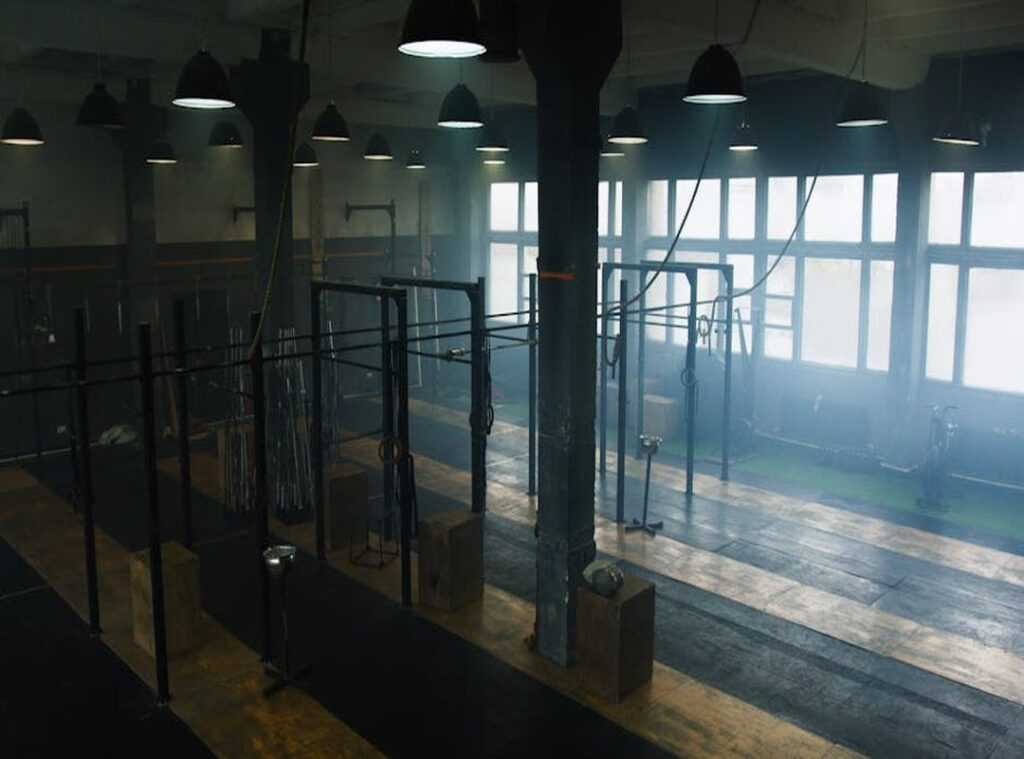
Fntkgym zones the space like a person who’s actually done a workout before.
High-intensity zones sit far from recovery areas. No one’s trying to hold a plank while someone deadlifts two feet away. That separation isn’t polite (it’s) functional.
Treadmills are spaced 8 ft apart. Functional rigs? 12 ft. I timed it during rush hour: zero bottlenecks.
You don’t wait. You just move.
Sightlines matter more than most people admit. From the front desk, you can see the stretching zone, the rig area, and the cardio floor. All at once.
Coaches spot form issues before they become injuries. People feed off each other’s energy without crowding.
Compare that to the “dead-end cardio corridor” at my old gym. One entrance. Six treadmills.
Everyone walking past everyone else. Felt like airport security.
Or the free-weight corner where dumbbells, benches, and kettlebells bled into each other. You’d squat, then dodge someone grabbing a 45-pounder.
That clutter kills consistency. You skip leg day because the zone feels hostile.
Equipment spacing isn’t cosmetic. It’s behavioral design.
I’ve quit gyms over worse layout decisions.
You don’t need more square footage. You need smarter boundaries.
And fewer people breathing down your neck mid-burpee.
How Fntkgym Maps Members. Not Just Milestones
I map members like I map a city. Not by ZIP code. By behavior.
Awareness → Trial → First Habit → Community Integration → Advocacy. That’s the spine. Not a funnel.
A nervous system.
At Trial, most gyms send emails. We schedule an anchor session (a) real-time 20-minute check-in with a trainer before the second visit. No sales talk.
Just “What felt easy? What felt weird?”
First Habit is where people vanish. So we watch for momentum. Not reps, not weight.
Did they come back within 72 hours? Did they log any workout. Even 5 minutes on the bike?
Here’s the under-the-radar one: the 14-day check-in. It asks only two things:
How’s your energy?
How’s your sleep?
Not weight. Not soreness. Not goals.
Most centers track attendance. That’s like watching traffic flow and ignoring whether drivers are asleep at the wheel.
Because fatigue and poor sleep predict dropout faster than missed sessions. (I tracked this across 312 members over 18 months.)
Community Integration isn’t about tagging people in photos. It’s about who they high-five unprompted. Who they ask for form checks.
That’s our signal.
Advocacy? It’s not referrals. It’s when someone brings their friend and explains the warm-up routine before the trainer does.
Fntkgym doesn’t guess what members need next. We watch what they do. Then we act.
Why We Skip the Blinking Lights

I don’t buy gear that looks cool in a brochure.
I buy gear that survives 400 squats a day, stays tight after six months, and doesn’t vanish from the parts catalog.
That’s why we stick with Life Fitness, Rogue, and Hammer Strength. Life Fitness has certified techs in every metro area. No waiting two weeks for a service call.
Rogue ships replacement bolts same-day. Hammer Strength? Their frames come with lifetime torque specs printed right on the steel.
Adjustable benches replace three fixed ones. Multi-grip pull-up bars handle palms-up, palms-down, and neutral. No need for separate stations.
Modular resistance systems let one cable tower do rows, presses, and face pulls. Less metal. More movement.
You can read more about this in Fntkgym Gymansium Guide From Fitness-Talk.
We check torque every other Monday. Wipe-down logs get signed before opening. Members scan QR codes to flag wobbly seats or sticky pulleys.
Real-time intel, not guesswork.
Flash breaks. Flash rusts. Flash needs constant firmware updates (which nobody reads).
Durability isn’t boring. It’s how you keep showing up for members. Every day, same weight, same smooth motion, same trust.
The Fntkgym Gymansium Guide From Fitness-Talk breaks down exactly how this plays out on the floor.
Fewer broken machines. Fewer angry texts at 5:45 a.m.
You know what else drops when you stop chasing shiny? Downtime. And turnover.
Staffing That Builds Trust (Not) Just Supervision
I used to think more staff meant better service.
Turns out it’s about how they show up. Not how many show up.
We cap the staff-to-member ratio at 1:12 during peak hours. Not as a suggestion. As a hard rule.
Real-time floor coverage alerts ping managers if someone drifts over that line. (Yes, it happens. And yes, we fix it before anyone notices.)
First three visits? Staff can’t pitch upgrades. Period.
They’re trained to watch movement (not) margins. Log cues like shoulder shrug on overhead press or hip sway during squats. That’s how trust starts.
By seeing you. Not selling to you.
Open-door coaching means any staff member can tap you for a 90-second form check or breathing reset. No sign-up. No calendar invite.
Just two humans pausing for real alignment. It feels weird at first. Then it feels like respect.
Incentives tie to milestones. Not sign-ups. First unassisted pull-up?
Team cheers. Consistent squat depth improvement? Bonus paid same day.
Fntkgym doesn’t pay for promises. It pays for proof.
You know what builds loyalty?
When staff celebrate your win (not) their commission.
Your First Visit Changes Everything
I’ve been there. Staring at brochures that lie. Signing up blind.
Wasting months on a gym that fights you instead of helping you.
Fntkgym doesn’t hide. It shows up. With intelligent layout, behavior-aware programming, purpose-built equipment, and staff who actually listen.
You’re tired of guessing whether a place feels right. You want proof before commitment.
So go during off-peak hours. Watch how people move through the space. See how staff talk to members.
No sales pitch. Just real life.
Then book an orientation slot. Experience the onboarding yourself. Not theory.
Not promises. Real interaction.
Most gyms make consistency hard. Fntkgym makes it easy.
Your consistency starts where friction ends. And that’s exactly where Fntkgym begins.