
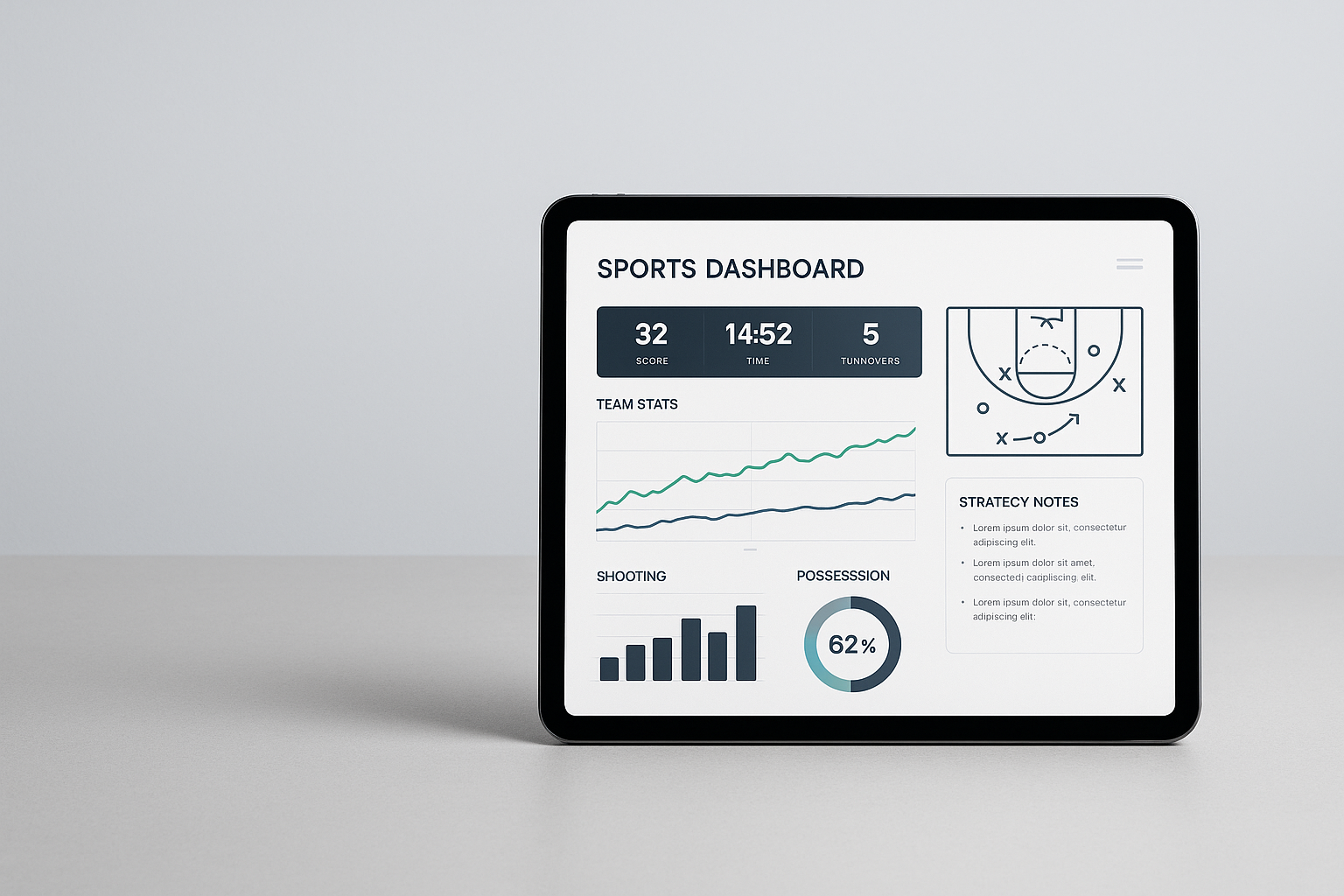
Sports analytics enhances decision-making during live games by providing real-time data insights. Teams use these insights to adjust strategies and improve performance. This article explores the impact of analytics on live game strategies.
In sports, the evolution from basic statistics to advanced analytics has revolutionized decision-making during live games. Sports analytics involves using data-driven insights to enhance performance and strategic choices. During a game, these insights enable teams to adjust strategies effectively, using data to gain a competitive advantage. Understanding the role of in play betting is crucial as it integrates data into dynamic decision-making processes.
Understanding sports analytics
Sports analytics involves collecting and analyzing data to improve decision-making in live games. This process includes tracking player movements, evaluating team performances, and predicting outcomes based on historical data. Analytics in sports provides insights that allow teams to strategize more effectively.
By utilizing sports analytics, teams can identify patterns and trends that inform their strategies during games. It helps coaches understand which plays are likely to succeed under different circumstances. The integration of this analytical approach has become essential in ensuring that teams remain competitive in an increasingly challenging environment. As you explore the world of sports, you’ll see how analytics transforms raw data into actionable intelligence.
Real-time data utilization during games
Real-time data utilization involves capturing and analyzing information as the game progresses. During live matches, various types of data are collected, such as player statistics and team performance metrics. This continuous flow of information allows teams to adapt their tactics dynamically, responding to the evolving nature of the game.
The technology behind real-time data collection includes sensors and cameras strategically placed around the field, tracking every movement and event. These tools feed data into advanced systems that process it instantly, providing insights into player fatigue levels or defensive weaknesses. This capability enables coaches to make adjustments on the fly, ensuring their strategies remain optimal throughout the game.
Enhancing decision-making with data insights
Analytics provides a foundation for enhancing decision-making by offering insights that influence live game strategies. For instance, if a player’s performance metrics indicate declining stamina, coaches might decide to substitute them earlier than planned. Data-driven decisions can alter game outcomes significantly.
Examples highlight instances where analytics led to strategic victories, such as predicting opponent moves or optimizing player positioning. These cases showcase how teams leverage data not just for pre-game preparation but also for making real-time decisions that increase their chances of winning. The integration of analytics into live game strategies exemplifies its transformative impact on sports management.
Tools and technologies in sports analytics
The landscape of sports analytics is supported by cutting-edge tools and technologies designed to manage and interpret vast datasets efficiently. Popular platforms incorporate artificial intelligence and machine learning algorithms to analyze complex patterns within the collected data. These technologies aid in processing information rapidly, providing actionable insights during critical moments in a game.
AI-driven tools excel at identifying subtle trends that human analysts might overlook. Machine learning models continuously improve their predictive capabilities by learning from each game played. As you explore these technologies, you’ll understand how they empower teams to refine their strategies with precision and confidence.
Challenges and ethical considerations
While sports analytics offers numerous benefits, implementing it effectively poses several challenges. Ensuring accurate data collection and interpretation requires substantial resources and expertise. Teams must also navigate potential ethical concerns related to player privacy and consent when gathering personal performance metrics.
Data privacy laws necessitate strict compliance measures to protect sensitive information from misuse or unauthorized access. Balancing these considerations with the need for comprehensive analytics is crucial for maintaining trust among players and stakeholders. Addressing these challenges ensures that teams can harness the full potential of sports analytics responsibly.