
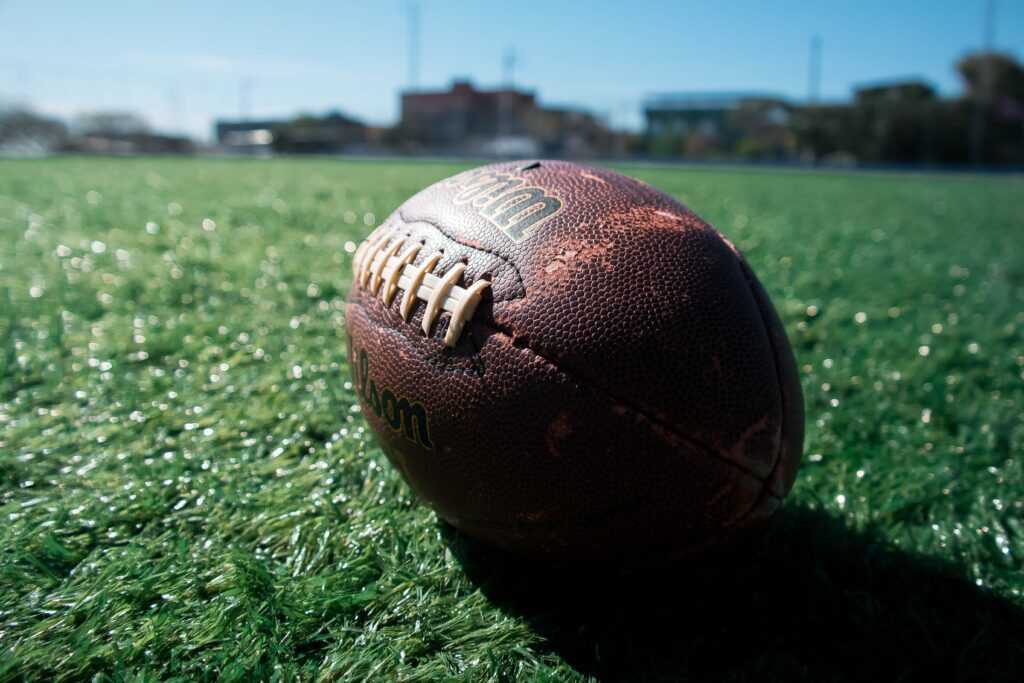
The NFL preseason is less about final scores than information. Each summer, exhibition games offer an early look at depth charts, playing time, injuries, and coaching priorities. They can also reveal how prepared new starters and recently assembled units are for the regular season.
For fans assessing odds, the useful question isn’t simply who won. It is whether new evidence changes a team’s Week 1 outlook. A disciplined preseason review separates meaningful developments from performances produced against backups in limited schemes.
Start With Quarterback Plans
Quarterback information can move a Week 1 line quickly, especially when a rookie, new starter, or recovering veteran is involved. Before each exhibition, check the coach’s stated playing plan. Afterward, record which quarterback started, how many drives each candidate received, and whether the first offensive line remained on the field.
Compare that evidence with FanDuel NFL Odds for the opener, conference, and championship markets. Prices may differ across licensed sportsbooks, so comparing multiple operators can provide additional context.
Focus on repeatable indicators: accuracy from a clean pocket, decisions when the first read is covered, pressure allowed through protection errors, and red-zone command and third-down execution.
Avoid treating raw passer rating as a complete answer. Opponent personnel and play selection matter. A starter facing reserves with a simplified script offers less useful evidence than a quarterback handling pressure behind the projected Week 1 line during the game.
Track Injuries and Availability
Availability matters more than preseason results. Track every player who leaves practice or a game, then wait for a team update before changing an assessment. A brief sideline visit should not carry the same weight as a confirmed absence. Position and replacement quality determine the likely effect on Week 1.
One practical way to prioritize injuries is:
- Starting quarterback,
- Left tackle and interior offensive line,
- Primary pass rusher and starting cornerback,
- Lead receiver and every-down running back,
- Kicker when the projected spread is narrow.
The offensive line deserves particular attention because one absence can alter protection calls and the running plan. Watch whether a reserve allows immediate pressure or forces help from a tight end. On defense, check whether an injury weakens coverage depth or the four-player pass rush.
Don’t rely on an isolated social post. Confirm injury updates through team reports and credible NFL analysis. Limited snaps can signal a managed workload rather than a setback before the opener arrives.
Study Line Play and Depth
Evaluating both sides of the line can reveal whether a team’s core units are ready for Week 1.
Offensive Continuity
Preseason protection offers more value when the starters play together. Note the five linemen, snap count, penalties, pressures conceded, and success on short yardage runs. One missed block is noise. Repeated communication failures against stunts or blitzes may provide useful context, although preseason rotations and simplified game plans can also influence what appears on the field.
Defensive Rotation
On defense, identify who joins the first group when a starter rests. Edge and corner depth can shape Week 1 matchups because offenses target the weakest replacement. Track whether the front creates pressure with four rushers. Heavy blitzing may produce sacks without proving the base rush has improved.
Roster decisions add context. The NFL’s current 2026 calendar sets the deadline for clubs to reach the regular season roster limit at 4 p.m. Eastern on August 30, 2026. Before that cut, snaps are spread among players competing for jobs. Later preseason rotations therefore reveal more about trusted reserves.
Separate Roles From Statistics
Preseason box scores can mislead because opportunity is uneven. A reserve running back may lead in yards after fifteen carries against defenders unlikely to make the roster. The important detail is the player’s role: snaps with the first offense, passing down work, goal line usage, and responsibility in protection.
Apply the same approach to receivers. Record alignment, routes run, targets from the quarterback, and work in two-receiver sets. A touchdown against broken coverage matters less than separation on third down. For tight ends, blocking assignments can reveal who will stay on the field.
Defensive statistics require context. A sack created by an unblocked rush says little about pressure. Instead, watch whether a defender wins one-on-one, sets the edge, or remains in the lineup on passing downs.
These observations are useful for player season markets and team scoring expectations. Confirm the role across practices and exhibitions before acting. Coaches test combinations, and one experimental series does not establish a Week 1 plan. Roles can also change before Week 1 because of injuries, roster moves, or coaching decisions.
Read Market Movement Carefully
Odds movement is information, but it is not an explanation. Record the opening Week 1 spread, total, and moneyline, then note the time and size of every change. Match each move against confirmed news such as a starting quarterback decision, an injury update, a trade, or a change on the offensive line.
A tracking sheet should include:
- Opening and current price,
- Date and time of the move,
- Roster news,
- Expected Week 1 availability,
- Number at which the wager loses value.
An opinion can become a poor wager after the market adjusts. Compare the change with the football impact.
Also distinguish preseason game odds from regular season markets. Coaches often disclose playing time, making exhibition lines unusually sensitive to quarterback rotations. That information may have little effect on a team’s full season outlook.
Check prices before and after press conferences, practices, and games. If a move has no confirmed cause, preserve uncertainty. Betting limits, demand, and new information can affect the number.
Turn Preseason Evidence Into a Week 1 View
The best preseason review is selective. Give the most weight to confirmed quarterback plans, starter availability, offensive line continuity, and roles repeated with the first unit. Treat final scores, late production, and isolated highlights cautiously. They often describe the exhibition more clearly than the team that will appear in Week 1.
Before placing a wager, write down the projected lineup, the reason the current number may be wrong, and the price at which that advantage disappears. Then check the latest team update and market again. This simple process makes an opinion testable and reduces reactions to incomplete news.
The goal is not to predict every roster decision. It is to identify changes that affect the opener while refusing to pay for information already built into the odds. Bet only with money you can afford to lose, use licensed sportsbooks where available, and consider deposit or time limits if betting stops being enjoyable.